
Vertical Farming Systems & Solutions
What is Vertical Farming?
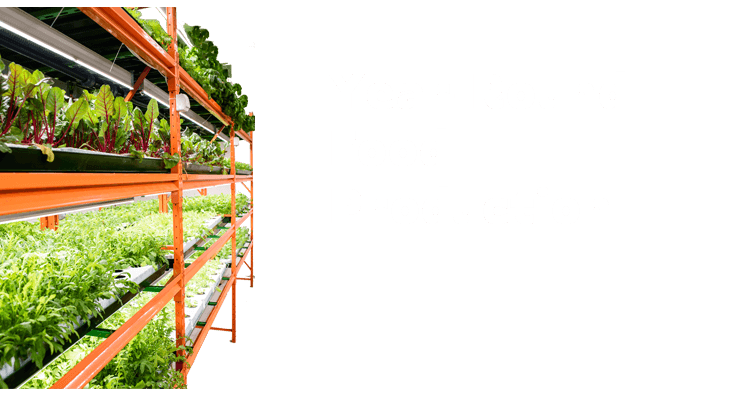
Vertical farming is the practice of growing crops in stacked layers instead of spreading them across fields. This way of growing plants saves valuable space, which makes it popular in urban areas where land is limited. Indoor vertical farming uses buildings, shipping containers, or custom structures to grow food.
CEA Technologies
Controlled environment agriculture (CEA) gives farmers control over all factors that affect plant growth. This includes lighting, heat, humidity, and watering and nutrient delivery.
Combining Technology & Vertical Farming Systems into Turnkey Solutions
Biz-Reps works with top vertical farming equipment companies to provide full solutions for indoor farming. Our team offers consulting and brings many tools together to create custom solutions for each customer’s farming needs.
Indoor hydroponic farming is not new, but recent advances in controlled environment agriculture have made it a real option compared to traditional farming. Our farming systems combine watering and nutrient control with full spectrum LED lighting. We also use climate control systems to create a complete setup for growing plants.
Vertical farms grow leafy greens, greens herbs, peppers, and animal feed no matter what the weather is outside. These growing systems work well in urban areas or remote desert spots. When you add solar power, farms can run off the grid without needing local power.
Systems & Solutions We Offer
We work closely with the companies we represent, creating strong ties that use each company’s skills. Together, we build growing systems that solve real farming problems including food shortages caused by bad weather and issues with fresh food supply chains. Below are some of our systems and key parts that address customer needs.
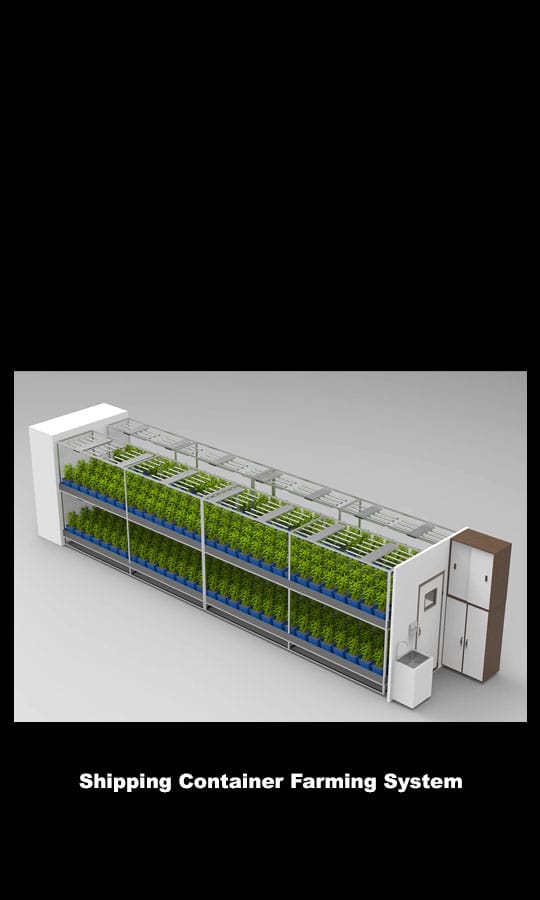
Shipping Container Farming Systems
Grow Solar Shipping Container Farms are flexible units that can be built anywhere in the world, including cities and remote work sites. The system solves problems with water scarcity, poor soil, and limited land by using solar power for off-grid spots.
Our system helps farmers and growers produce crops all year long without being affected by outside weather. Each farm grows crops with better food safety than traditional farming and outdoor growing methods.
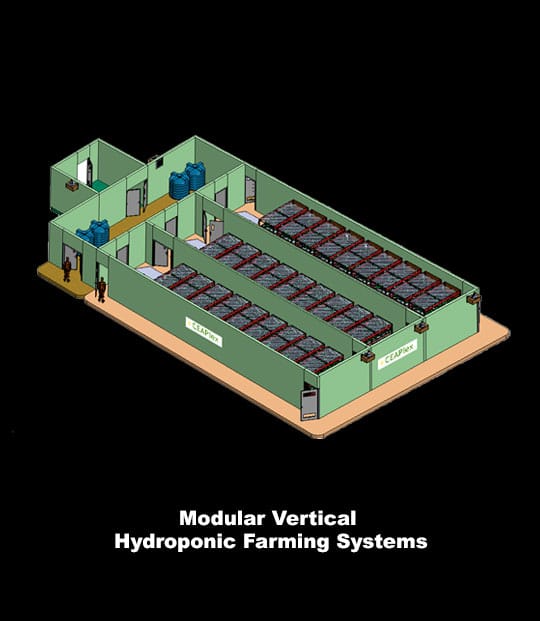
Grow Solar Modular Vertical Hydroponic Farming Systems
This modular CEA growing system has all the parts needed to grow leafy greens, vine crops, and strawberries year-round. Our system comes ready to use since it is designed, built, and set up for fast start.
We include a full training program for your team while your modules are being built. The system uses watering and nutrient solutions that feed plants right at the roots. This hydroponic vertical farming method grows crops faster than soil-based growing methods.
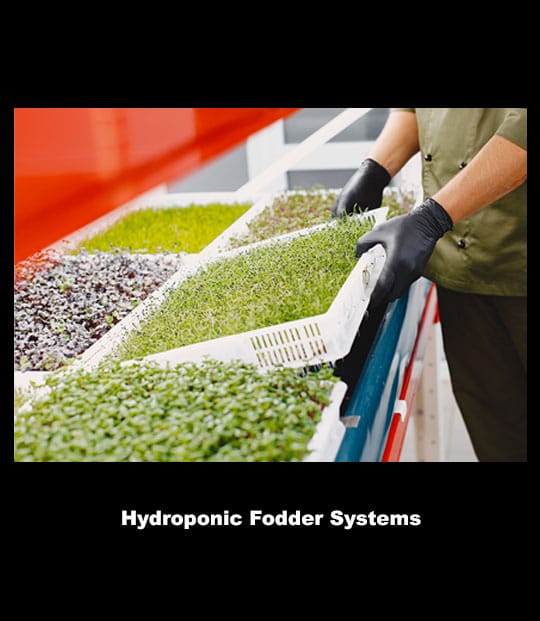
Hydroponic Fodder Systems | CEA Vertical Farming
Our hydroponic fodder system offers a simple way to grow healthy sprouts and shoots in a steady manner. This is key for making quality livestock feed with higher nutrition than regular feed options.
The system works great for vertical farming in areas hit by storms, typhoons, drought, and other severe weather events. It also helps where pastures have been damaged by sea salt. These growing systems produce fodder using water and nutrients in a controlled space.
How Vertical Farming & CEA Work
Vertical farming uses stacked growing racks that place plants in vertical layers rather than spreading them across flat fields. This method often uses warehouses, shipping containers, or indoor spaces to get more crop yields in limited areas by making good use of height.
Today, vertical farming technologies have grown quickly as options to traditional farming, especially in urban areas and remote places. Advances in hydroponic vertical farming, LED lighting that mimics sunlight, and watering and nutrient systems paired with climate control make it possible to grow fresh plants almost anywhere.
Why Vertical Farming Has Become Popular
Several key factors have driven the rise in vertical farming:
- More People in Cities: The global population keeps moving to urban areas. Vertical farms grow food closer to buyers, which cuts shipping costs and helps the environment while keeping produce fresh.
- Limited Farmland: Land for traditional farming keeps shrinking due to urban growth, soil problems, and climate change. Vertical farming solves this by growing more food in much smaller spaces.
- Climate Change Effects: Traditional farming faces wild weather patterns like droughts, floods, and extreme heat. Controlled environment agriculture provides stable conditions that lower these risks for growers.
- Food Security Concerns: Vertical farming boosts local food supplies by giving people a reliable year-round source of healthy produce. This helps most in regions with harsh climates or long supply chains.
- Sustainability: Compared to regular farming, vertical farming cuts water usage greatly through hydroponic systems that recycle water. These growing methods reduce or remove the need for pesticides and lower shipping emissions.
- Technology Advances: Big improvements in vertical farming technologies have made these systems work better and cost less. LED lighting saves energy and lowers energy costs while helping plants grow faster. Climate control systems keep plants in ideal conditions. These advances keep pushing the industry forward.
What is CEA? Controlled Environment Agriculture
Adding controlled environment agriculture to vertical farming takes the concept much further. CEA refers to systems where all factors that affect plant growth are watched and controlled closely. Think of it as a factory made just for plants that can run almost anywhere regardless of outside conditions.
CEA includes many methods designed to help plants grow as well as possible while ensuring top output and yield. All variables in the growing space are managed, including heat, light levels and type, carbon dioxide, humidity, and nutrients. This control enables crops to grow with minimal impact on nature, using less water, no soil, and fewer chemicals.
CEA technologies represent cutting edge farming. Deep Water Culture (DWC) Hydroponics, Drip Irrigation Hydroponics, and Dutch Bucket Hydroponic Technology each deliver water and nutrients in different ways. But they share one goal, which is to create the best possible growing conditions.
DWC keeps plant roots in nutrient-rich water with added oxygen. Drip Irrigation Hydroponics sends water and nutrients right to each plant’s root zone with little waste. Dutch Bucket Hydroponic Technology works well for larger plants and offers a flexible way to grow without soil.
The growing use of CEA and vertical farming comes from the need to produce more food in a way that lasts. As the global population keeps rising and farmland becomes harder to find, these tools offer real solutions for feeding the world without making nature worse. By bringing farms indoors and under control, CEA allows fresh, healthy food to grow anywhere regardless of weather or season.
CEA Technologies
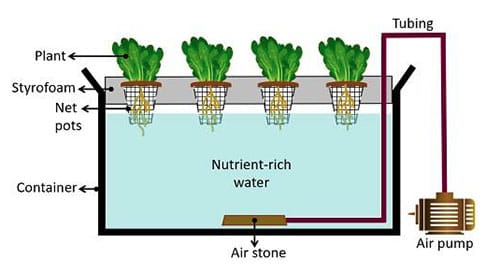
Deep Water Culture (DWC) Hydroponics
Deep Water Culture is a hydroponic system that keeps plant roots in water rich with nutrients and oxygen. This setup allows fast growth while lowering the risk of plant diseases. DWC works very well for growing leafy greens and herbs that thrive in stable conditions.
LED Grow Light technology
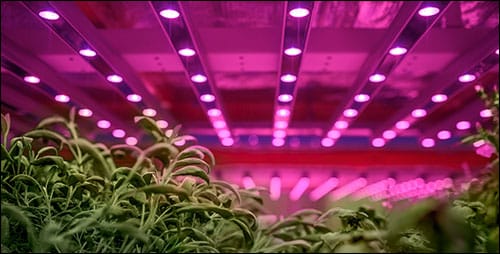
LED lighting has changed how vertical farming technologies work by giving off specific light spectra at high output with low heat. These lights can be tuned to the best wavelengths for plant growth, which speeds up development while cutting energy costs. LEDs that mimic full spectrum natural sunlight allow for precise control over how plants develop. Biz-Reps can help you pick the right LED lighting system for your needs.
Climate Control Systems
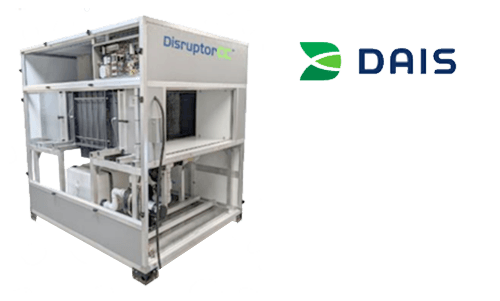
The DIAS climate control systems do more than just manage heat. They also handle humidity and CO2 levels. These systems make sure crops grow in ideal conditions for their specific needs, raising both the amount and quality of produce.
Automated Nutrient Delivery Systems
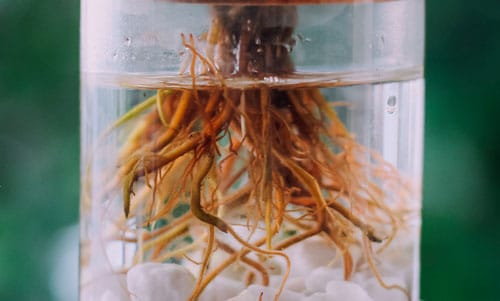
Automated nutrient systems are another major advance in vertical farming. These systems precisely control the amount and type of nutrients each plant receives to help growth and cut waste. This approach removes the need for soil and achieves much lower water usage compared to traditional farming methods.
Complete Turnkey Solutions

How We Work With You
BizReps helps clients deal with power outages that often lead to crop loss through our off-grid setup. This lets growers use areas that normally would not work due to poor setup or lack of power access.
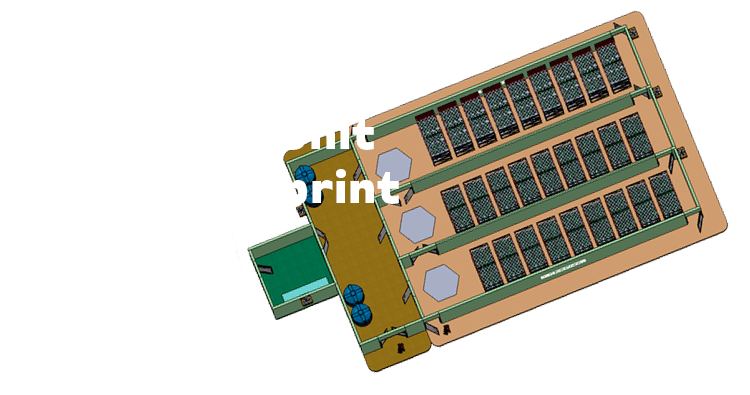
For example, producers can use shipping container grow pods, set them up in a grow farm layout, and power everything with our off-grid system. We help indoor growers go fully off the power grid with our Grow Solar options that can use solar, natural gas, propane, or methane power.
These systems capture CO2 exhaust, clean it, and use the pure carbon dioxide in grow houses as plant food. We also capture waste heat from engines for free HVAC in the grow house. Our metering system tracks all key data to help lower overall farm costs by a large amount.
Key Benefits of Our Vertical Farming Systems
- Year-Round Production: Our hydroponic farming systems enable harvests all year long regardless of season or weather conditions.
- Space Output: Growing plants in vertical stacks makes the most of production in minimal space. This is perfect for urban areas with limited land.
- Better Food Safety: Controlled environments block many harmful elements and reduce the need for pesticides and chemicals.
- Reduced Shipping: Local production in urban areas means fresher produce with a smaller carbon footprint than regular supply chains.
Contact us today to learn how our vertical farming solutions can transform your agricultural operation.
