
Aqualyte™ Nanotechnology is Changing HVAC and Clean Water
The Science of "Smart Plastics”
In the world of commercial buildings, managing energy and air quality has always been a balancing act. You either bring in fresh air and pay high energy bills to cool it, or you recycle indoor air and risk lower air quality. However, a new technology called Aqualyte™ a “smart plastic” developed by Dais Corporation is changing those rules.
What is Aqualyte™?
Aqualyte is a patented, nanostructured polymer designed to manage how water and energy move through a system. Think of it as a microscopic gatekeeper. Unlike traditional filters that have tiny holes, Aqualyte is a solid, non-porous material. It contains two specific regions that self-organize at the molecular level:
- Hydrophobic (Water-Hating): These sections provide the material with its strength and flexibility.
- Hydrophilic (Water-Loving): These tiny channels (only 5–20 nm wide) allow water molecules to “hop” through the material while blocking everything else.
Sustainability and LEED Certification
One of the most important features of Aqualyte is that it is a non-PFAS material. As new laws move industries away from “forever chemicals,” this technology provides a safe way to improve building efficiency. Beyond chemical safety, these systems help projects earn significant points toward LEED v4.1 certification by drastically reducing water and energy waste.

Advanced Solutions for Modern Problems
The Aqualyte platform powers several high-performance systems for HVAC and Water Treatment:
PolyCool™: Revolutionizing Data Center Cooling
Data centers create massive amounts of heat and often struggle with water shortages. PolyCool™ is a membrane-based cooling tower that changes the narrative by safely evaporating non-potable or even contaminated water to cool the building.
- Performance: It delivers over 30% energy cost reduction and lowers water and sewer costs by more than 60%.
- Efficiency: It improves Power Usage Effectiveness (PUE) and eliminates the need for energy-heavy chillers by leveraging “free cooling” from the environment.
- Low Maintenance: Because there are no spray nozzles to clog, maintenance time and costs are reduced by 90%.
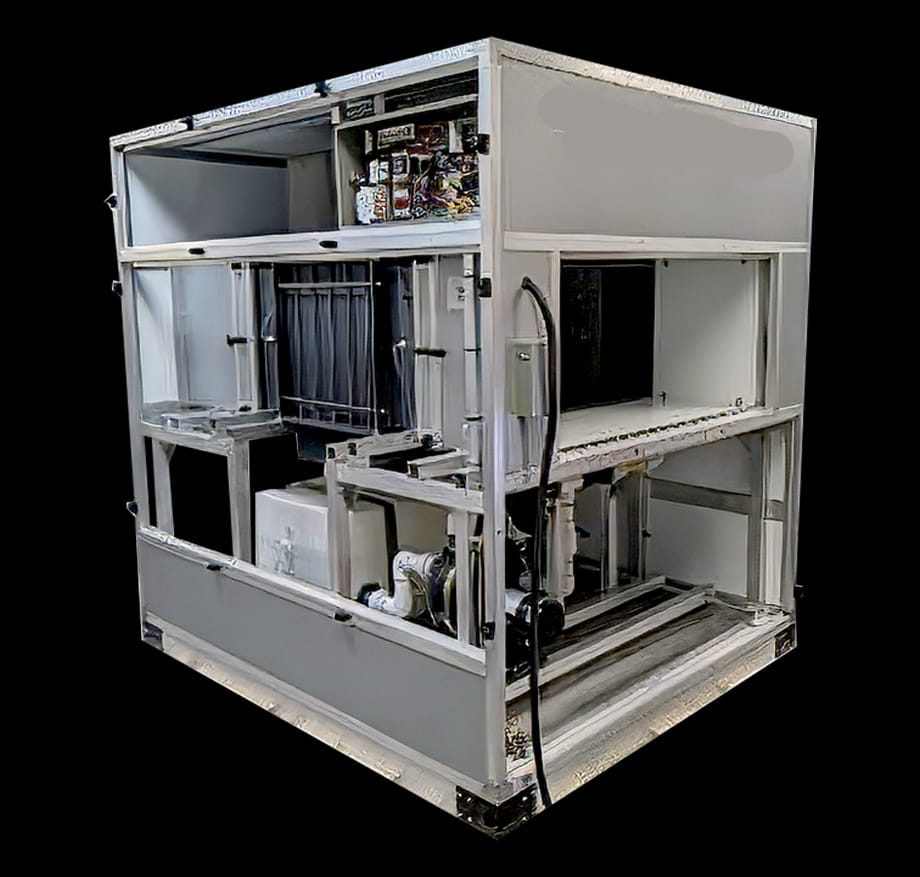
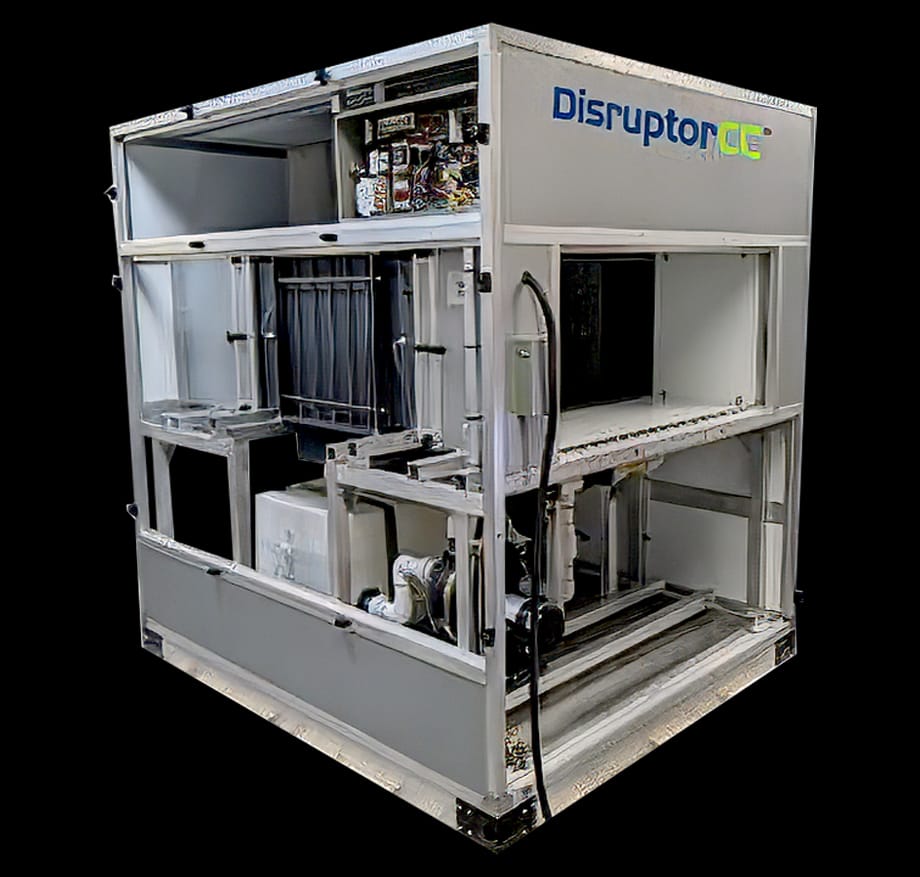
The DisruptorCC™ Membrane Humidifier
The DisruptorCC is an adiabatic humidifier and Aqualyte membrane that uses molecular permeation to provide adiabatic humidification in a single unit. It works without water treatment systems. No microbes or minerals get released into the air. Wet surfaces do not form.
The core of the DisruptorCC™ is its Aqualyte™ nanomaterial membrane. This patented membrane uses surface chemistry to control how molecules move through it.
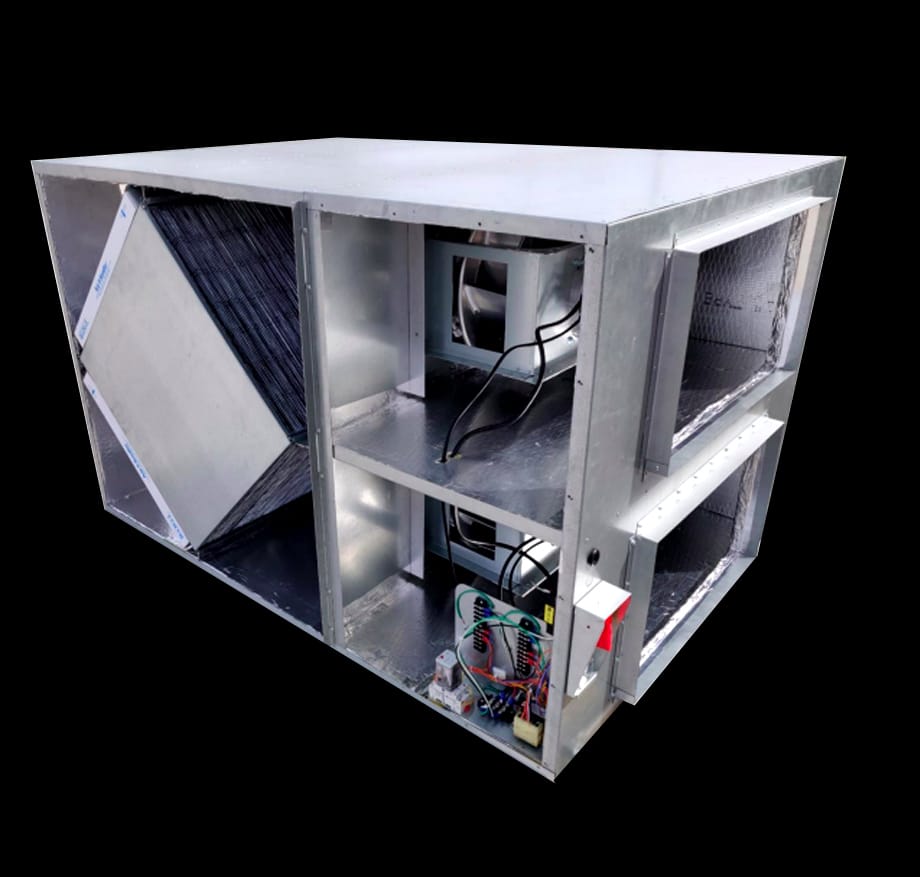
ConsERV™: Healthier and Wealthier Buildings
The ConsERV™ system is a high-performance energy recovery ventilator. It uses the Aqualyte membrane to transfer heat and moisture without allowing contaminants to cross over into the fresh air.
- Certified Results: It is AHRI-certified for 67% latent effectiveness in Standard 1060 summer testing.
- Fast ROI: With lower energy bills and the ability to downsize other HVAC equipment, the system often pays for itself in less than two years.
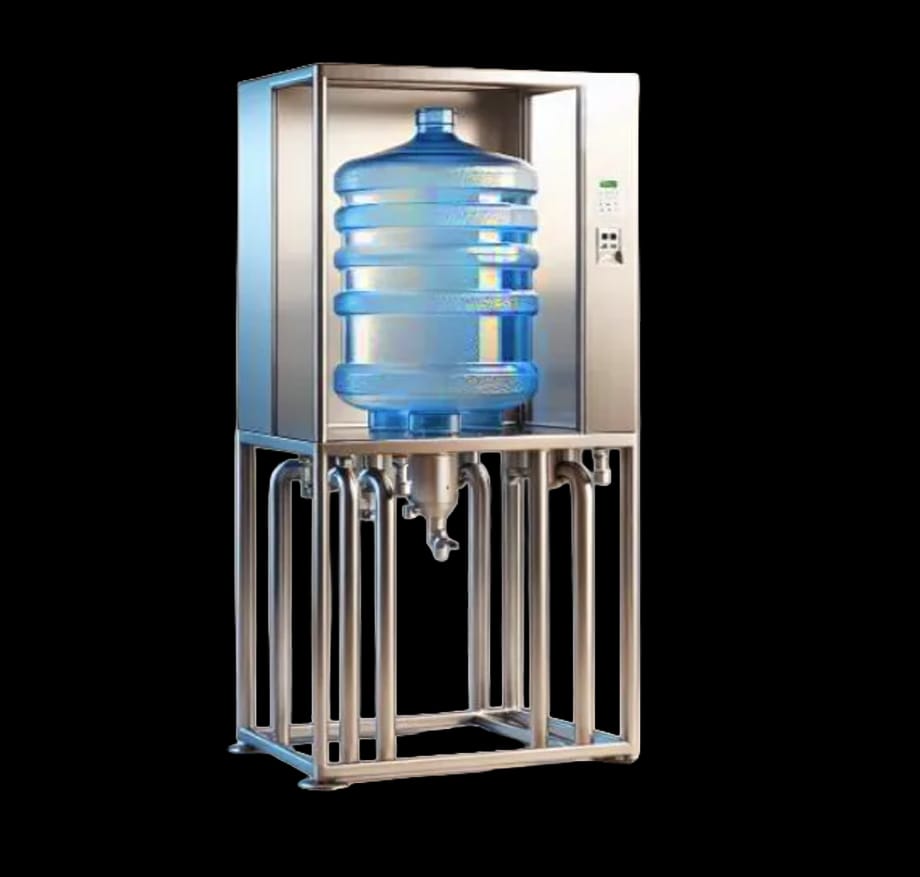
DAIS Zero AWG: Water Where You Need It
For remote worksites or “green” office buildings, the DAIS Zero Atmospheric Water Generator pulls clean water directly from the humidity in the air. Because the “smart plastic” membrane is solid and antimicrobial, it provides a sterile water source without needing the complex filtration or reverse osmosis systems required by traditional generators.
Real-World Results: Health and Safety
Aqualyte does more than save money; it protects health. Third-party testing (ASTM E1053 and E2149) has proven that the material inactivates more than 99.9% of human coronaviruses and key bacteria within 3 to 5 minutes of contact. The material physically attacks the cell walls of pathogens, making it a powerful tool for creating safer indoor environments in schools, hospitals, and offices.

Specific LEED v4.1 Credit Alignment
For developers and engineers, utilizing Aqualyte-based products can contribute to the following LEED v4.1 credits:
- Water Efficiency (WE) – Optimize Process Water Use: * Option 3: Process Water Use (1–2 points): DAIS Zero AWG and DisruptorCC™ can meet this requirement by providing recycled alternative water for humidification subsystems.
- Water Efficiency (WE) – Indoor Water Use Reduction:
- Aqualyte systems contribute to the overall building water balance by substituting potable water with treated alternative sources like condensate or recovered wastewater.
- Energy & Atmosphere (EA) – Optimize Energy Performance (Up to 18–20 points):
- ConsERV™ and PolyCool™ significantly reduce the total building energy load by minimizing ventilation and cooling power consumption.
- Indoor Environmental Quality (EQ) – Enhanced Indoor Air Quality Strategies:
- The antimicrobial properties of Aqualyte and its zero-crossover performance support advanced contaminant control and enhanced filaqualytetration goals.
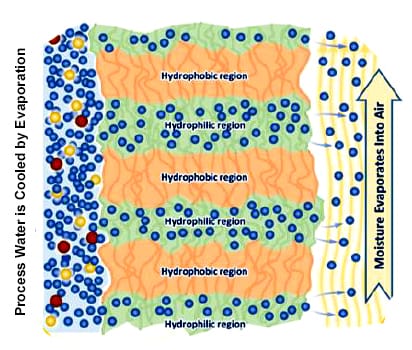
The Selective Transport Mechanism
Aqualyte functions as a solid-state electrolyte or a non-porous barrier. The “cleaning” or “separation” happens through a three-step process:
- Adsorption: Water molecules from the air or a liquid source are attracted to the hydrophilic regions on the membrane’s surface.
- Diffusion: The water molecules “hop” or diffuse through the hydrophilic nano-channels within the polymer matrix.
- Desorption: The purified water molecules are released on the other side of the membrane.

Aqualyte FAQ
On Maintenance & Membrane Longevity
Question: “How does the membrane hold up over time with industrial water scaling?”
Response: One of the primary advantages of the Aqualyte™ membrane is its selective permeation. Because it is non-porous and works at the molecular level, dissolved minerals and scale-forming ions cannot pass through the membrane into the airstream. This eliminates the “dusting” or scaling issues common with traditional spray or wetted-media systems. In terms of maintenance, the system is designed to be virtually maintenance-free compared to steam canisters that require frequent replacement.
On Legionella & Hygiene Standards
Question: “How does this system align with ASHRAE 188 for hospital or high-occupancy environments?”
Response: The DisruptorCC™ was engineered specifically with ASHRAE 188 and VDI 6022 in mind. The Aqualyte™ membrane acts as a molecular security checkpoint—it allows water vapor to pass but is a physical barrier that blocks Legionella, viruses, and bacteria. Unlike traditional evaporative coolers, there is no standing water in the airstream and no risk of microbial carryover, making it a “gold standard” for hygiene-critical AHU designs.
On Energy ROI & Steam Replacement
Question: “A 94% energy reduction sounds high. Is that based on a specific climate or application?”
Response: That figure comes from a U.S. manufacturing facility case study where we replaced year-round steam boiler humidification. Traditional steam requires a massive energy baseline just to prevent pipe corrosion. By moving to the adiabatic process, we utilized the sensible heat already in the air to drive evaporation. This allowed the facility to drop its humidification cooling load from 1,076 tons to just 60 tons. The operational cost went from $2.72 per 100 lbs of moisture to just $0.062.
On the 2028 PFAS “Cliff”
Question: “Is this really ‘PFAS-Free’ or just lower-GWP?”
Response: This is truly PFAS-free. Unlike A2L refrigerants (like R-454B) which still contain fluorinated compounds that are facing increasing scrutiny, our adiabatic technology uses only water and our patented nanomaterial. By bypassing chemical refrigerants entirely, you eliminate the 2026 leak detection mandates and future-proof the facility against the 2028 ECHA restrictions.
Want More Information?
You can also talk with one of our experts about your project or application requirements and see how Biz-Reps can help your organization.